



Стратегии за популяризиране на марката в дигиталния маркетинг
Стратегията за популяризиране на марката е една от основните необходимости за съвременните компании. Компаниите могат да просперират и само с обикновен маркетинг, но именно изграждането на марката е това, което отличава дългосрочните компании от краткосрочните. Нека разгледаме как можете да популяризирате марката си и да разработите стратегия.
Какво представлява познаваемостта на марката?
Познаваемостта на марката е степента, в която потребителите разпознават даден продукт или компания по името, логото, символите, слоганите или други свързани с марката елементи. Когато се налага избор между два продукта с подобно качество, познаваемостта и разпознаваемостта на марката могат да се окажат решаващ фактор. Проучванията също така показват, че Познаваемостта на марката е важен фактор при вземането на решения. Въпреки че отвън това може да изглежда доста абстрактно, брандирането осигурява огромна възвръщаемост на инвестициите.
Ефективното познаване на марката обаче не се състои само в това аудиторията да знае за нея. То изисква всеки да разбира вашата ценностна предложеност, вашите продукти и услуги, както и историята на марката ви. Макар изграждането на това да може да бъде скъпо, то носи много други ползи, сред които:
- Стимулиране на продажбите: По-голямото признание ще позволи по-плавно придвижване по веригата на покупката.
- Позволява по-добро ценообразуване: По-голямата осведоменост може да даде възможност за по-конкурентно ценообразуване, което се възползва от доверието към марката.
- Осигурява конкурентно предимство: Хората обикновено се ориентират към компанията, за която са чували положителни отзиви.
Етапи на познаването на марката
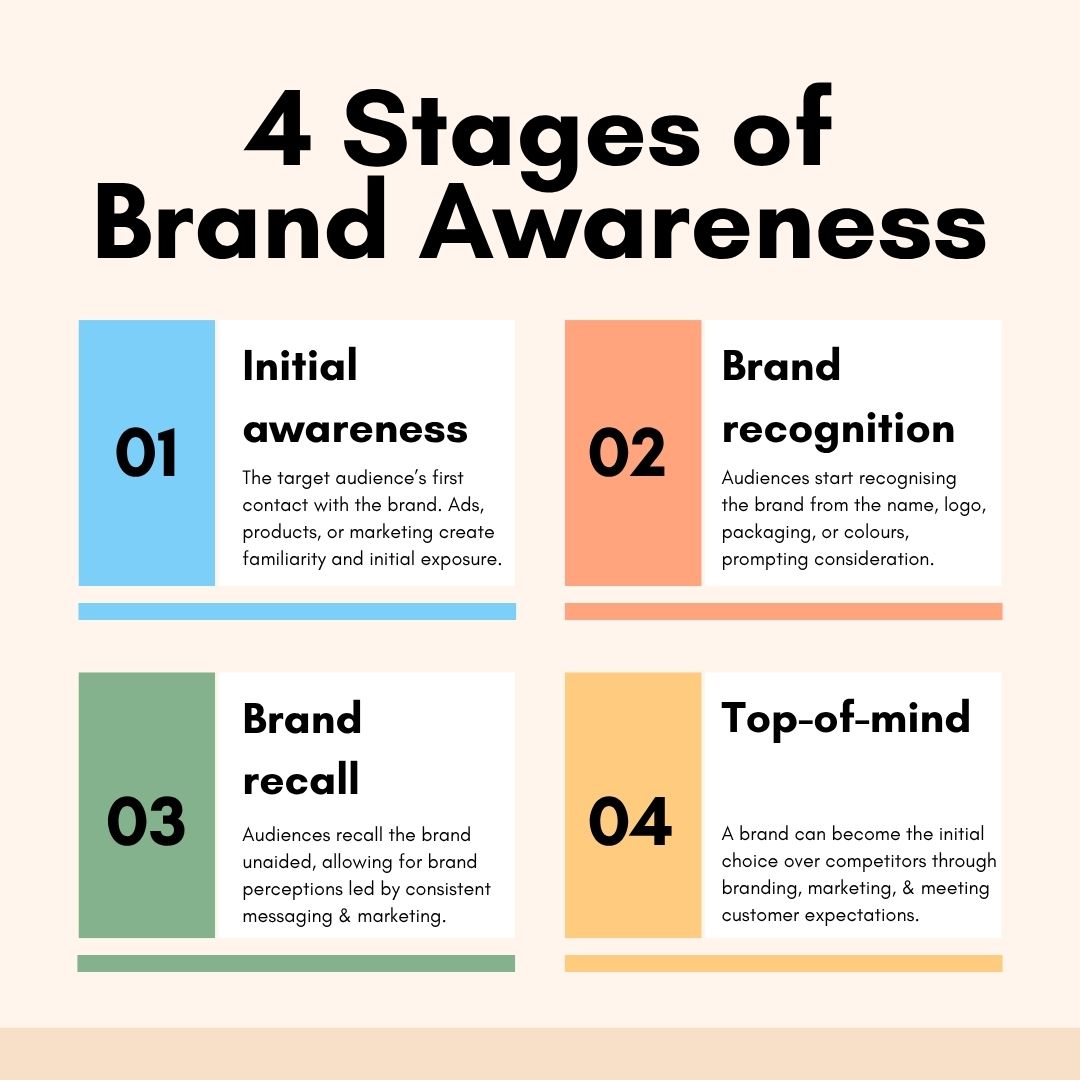
Познаваемостта на марката се възползва от предимствата на повторението и излагането на марката, което води до по-добро запомняне и разпознаване на марката. Има 4 етапа на познаваемостта на марката:
- Първоначално осъзнаване: Целевата аудитория за първи път влиза в контакт с марката чрез реклами, продукти или маркетингови дейности. Тя все още не е напълно запозната с нея, но тези опити за запознаване служат като отправна точка.
- Разпознаваемост на марката: Клиентите и потенциалните купувачи започват да разпознават марката чрез визуални елементи. Това включва името, логото, опаковката или цветовете. Например, логото на „Мерцедес“ или цветовете на „Гугъл“ могат лесно да бъдат разпознати.
- Разпознаваемост на марката: Това е моментът, в който аудиторията може да си спомни марката без чужда помощ. Тук влиза в действие положителното възприемане на марката, подхранвано от последователни послания и маркетингови дейности. Историята, която разказва вашата марка, намира отклик, а хората имат ясни чувства и мнения по нея.
- Първото, което идва на ум: Целта е марката да бъде първото нещо, което идва на ум. На този етап марката може да се превърне в първоначалния избор на потребителите пред конкурентите, дори и при малко по-голяма популярност от тяхна страна. Това е отлично и за разпространението на информация от уста на уста. Постигането на този статут изисква дългосрочно изграждане на марката, инвестиции в маркетинг и постоянно надминаване на очакванията на клиентите.
Кампаниите за повишаване на осведомеността се различават от други маркетингови стратегии, като например кампаниите за привличане на потенциални клиенти и за стимулиране на търсенето. Те могат да отнемат малко повече време, като са необходими месеци или дори години, за да проявят пълния си ефект.
Как да изградим разпознаваемост на марката
Кампанията за популяризиране на марката се състои от няколко компонента, които могат да бъдат разделени на следните етапи:
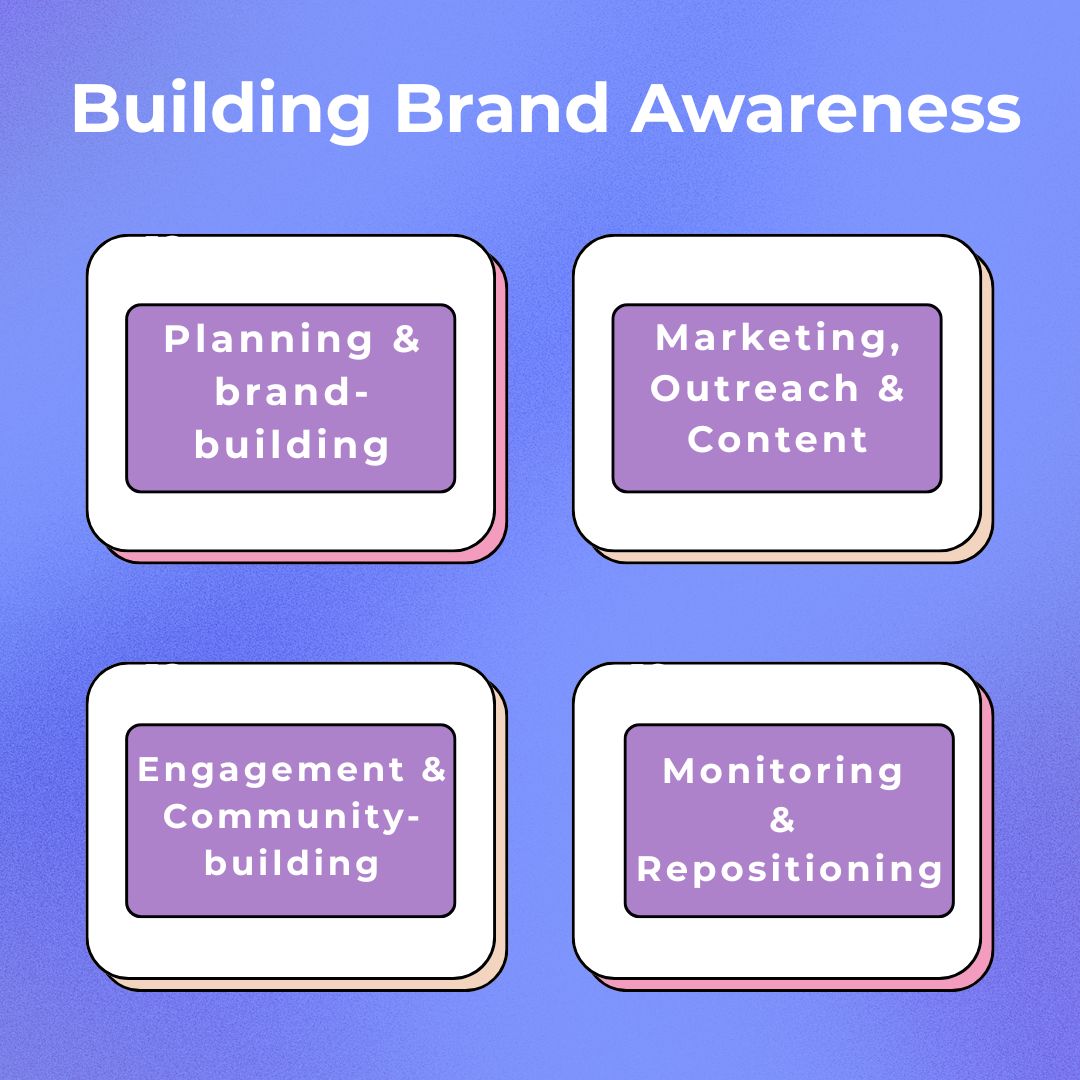
Планиране и изграждане на марката
Ако вашата компания все още не е определила своята брандова идентичност или такава не се е оформила естествено, тази стъпка е от решаващо значение. Това изисква да определите ценностите, мисията и целите на вашата компания. Трябва също така да разберете до кого искате да достигнете и какъв вид комуникация ви е необходима (анализ на аудиторията). Наред с това трябва да определите какво е вашето отличително ценностно предложение (позициониране на пазара, конкуренти и анализ на сегментацията).
Чрез тези разсъждения можете да стигнете до заключението как именно вие сте в уникална позиция да помогнете на аудиторията си да задоволи своите нужди. Можете да започнете да се отличавате от конкуренцията и да изградите своя уникална идентичност.
Маркетинг, популяризиране и съдържание
Този етап надгражда предишния, като привлича вниманието на потенциалните ви клиенти чрез образа, който искате да създадете. Освен маркетинговите материали, това може да включва и пряка комуникация, като например обслужването на клиенти. Начинът, по който изпращате и отговаряте на имейли, подготвяте публикации в социалните мрежи, създавате съдържание за блога си и проектирате уебсайта си, е част от този етап.
Последователността е важна за изграждането на бранда, тъй като целта е да се сведе до минимум объркването относно това как хората възприемат вашата компания. Разработете брандбук, изгответе последователни насоки, използвайте сходни лога и шрифтове във всичките си маркетингови материали и се придържайте към основното послание. Можете също така да разгледате архетипите на различни Истории на марката за вдъхновение.
Ангажираност и изграждане на общност
Има безброй начини да се възползвате от общността, която сте изградили. Можете да молите за отзиви или препоръки, да насърчавате създаването на съдържание от потребителите (коментари, споделяния и ремикси), да отговаряте на коментари, запитвания или съобщения и т.н. Целта е да превърнете аудиторията си от пасивни потребители в ангажирана общност. Разгледахме тази тема по-подробно в нашите статии относно изграждане на общност и ангажиране на клиентите.
Наблюдение и препозициониране
Определете ключовите си показатели за ефективност (KPI) въз основа на това, което най-добре съответства на вашата мисия, визия и цели. Ако искате да привлечете внимание към услугите си, оценете показатели като обхват и импресии, ръст на последователите, споменавания и нива на ангажираност. Трябва да проверите обема на търсенията по марката, за да видите колко често хората търсят вашето име, бизнес, продукт или услуга в търсачките. Проверявайте трафика към уебсайта, провеждайте проучвания за запомняемостта на марката (повече за това по-късно), управлявайте споменаванията си и разработвайте протоколи за мониторинг.
Познаваемост на марката за SEO и управление на съдържанието
- Създаване на тематични групи: Намерете подходящите ключови думи и ги превърнете в тематични групи, за да подобрите позиционирането в търсачките и разпознаването от моделите за изкуствен интелект. Използвайте своя опит и се фокусирайте върху вашата ниша, вместо да се стремите към произволни цели.
- Оптимизация на съдържанието: Наблегнете на структурата, метаданните и четимостта, за да привлечете читатели и да получите одобрение от търсачките. Добрата оптимизация повишава видимостта на вашето съдържание.
- Качествено съдържание: Предоставяйте анализи, данни и уникални гледни точки, за да не се слива вашата компания с останалите. Използвайте ключови думи, свързани с марката и такива, които не са свързани с нея, по естествен начин, за да поддържате цялостна идентичност.
- Оптимизация извън сайта: Следете споменаванията, цитиранията и дискусиите в общността, свързани с вашата марка. Уверете се, че марката ви е актуална и надеждна в своята сфера, затова може да е добре да проверявате групите в общността, сайтовете за отзиви, LinkedIn и т.н.
- Наблюдение и повторение: Проследявайте настроенията, пиковете в видимостта и споменаванията без линкове с помощта на различни SEO инструменти като SEMrush и Ahrefs. Те ще ви помогнат да проследите ефективността и степента на познаваемост, а не само обикновените SEO показатели.
Как да измерим познаваемостта и запомняемостта на марката
Измерването на познаваемостта на марката може да се окаже сложно, тъй като има множество начини за това. Ето някои от най-добрите показатели и методи за измерване на познаваемостта на марката в областта на дигиталния маркетинг:
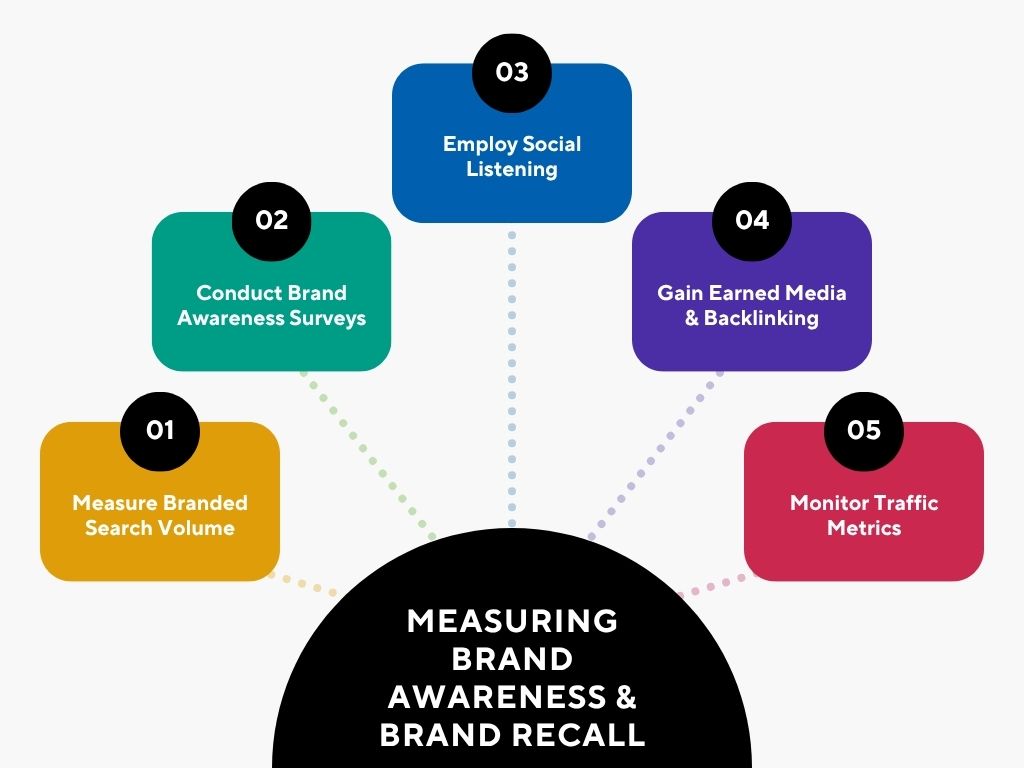
Измерване на обема на търсенията по марка
Това е трафикът към уебсайта, който идва от търсачките чрез търсения, свързани конкретно с марката. Той е идеален за измерване на познаваемостта на марката, тъй като показва колко често хората търсят ключови думи, свързани с вашата марка. Както Google Analytics, така и SEMRush са надеждни инструменти за проследяване на търсенията. Това може да помогне за измерване на разпознаваемостта и запомняемостта на марката, особено при търсения с висока степен на намерение за покупка.
Провеждане на проучвания за познаваемостта на марката
Анкетите измерват познанията на клиентите и потенциалните купувачи относно вашата марка. Най-добрият подход е да се използват кратки, но конкретни анкети. Можете да зададете въпроси за запомняемостта на марката, асоциациите с нея и нагласите към нея, за да разберете по-конкретни аспекти на познаваемостта. Можете също така да варирате сегментите, в които искате да измерите познаваемостта.
По-кратките анкети обикновено постигат по-високи проценти на отговори, но това трябва да се прави с внимание, тъй като може да доведе до непълни данни. Можете да разрешите този проблем, като се съсредоточите върху конкретни области – като запомняне или разпознаване на марката – за да получите задълбочени данни, без да претоварвате респондентите. Инструменти като SurveyMonkey и Google Forms са подходящи за създаване на ефективни анкети.
Използвайте стратегията за „социално слушане“
Проследявайте споменавания, хаштагове, споделяния и коментари, които съдържат ключови думи, свързани с вашата марка. Уверете се, че сте настроили известия във всички социални мрежи и онлайн форуми. Важно е да вземете предвид и грешките в изписването, както и псевдонимите на марката, за да получите пълна представа за вашето присъствие в социалните мрежи.
Освен да следите броя на споменаванията, е изключително важно да разберете тона на онлайн разговорите. Следете различните често срещани настроения и как хората сравняват компанията с други. Инструменти като Sprout Social и Buffer са чудесни за тази цел анализ на настроенията на клиентите и въвеждане на процедури за проследяване на познаваемостта на марката.
Привличане на безплатна медийна реклама и изграждане на обратни връзки
Установяването на контакти с новинарски издания, блогове или други безплатни медии и публикуването в тях може да бъде от решаващо значение в онлайн маркетинга. Естественият интерес е ключов за разбирането доколко аудиторията търси вашата марка. Измервайте органичния трафик и обратните връзки, като следите показателите за авторитет и обхвата на публикациите, в които сте споменати. Както и при социалното прослушване, ви е необходим анализ на настроенията, за да прецените какъв образ създава този обхват.
Освен това трябва да сравните медийното отразяване, което сте спечелили, с обхвата на конкурентите. Изгответе референтни показатели, като анализирате компании от бранша, които са със сходен размер и обхват. Проверете техните обратни връзки чрез софтуер като SEMRush и Ahrefs и изгответе реалистичен стратегия за обратни връзки която съответства на целите на вашата кампания.
Освен линковете, споменаванията и медийното отразяване, което сте спечелили, са свързани с общественото възприятие за вас и с вашата надеждност. Това могат да бъдат публикации, проучвания, рецензии, препоръки и форуми. Можете да използвате софтуер за мониторинг на медиите, като Meltwater или BuzzSumo, за да проследявате споменаванията, което ще ви помогне да прецените как изглежда вашето медийно присъствие.
Изграждането на профил с обратни връзки също може да не е изцяло органично, но това може да струва повече. Има фирми, които могат да ви помогнат с осигуряването на връзки, но качеството и количеството им могат да варират, затова бъдете внимателни. Трябва да изграждате връзки с цел да постигнете авторитет, достоверност и по-добри SEO резултати. Други ключови показатели включват авторитета на домейна, броя на препращащите домейни и качеството на връзките.
Проследяване на показателите за трафика
Прякият трафик и трафикът от препратки са два ключови показателя за познаваемостта на марката. Първият представлява дела на посетителите на вашия сайт, които са въвели URL адреса директно в браузъра си, докато вторият обхваща онези, които са стигнали до него чрез линк на друг уебсайт. Фактът, че потребителите познават сайта по име и го въвеждат ръчно, е особено важен показател за познаваемостта на марката.
Google Analytics или подобен уеб инструмент може да проследява прекия и непрекия трафик. Можете също така да сегментирате трафика на повторно посещаващи и нови посетители, като увеличението на първите показва по-добро запомняне на марката, а увеличението на вторите – разширяващ се обхват. Увеличението на трафика е отличен KPI за кампаниите за популяризиране на марката и за оценка на тяхната ефективност. Както винаги, създайте референтни показатели и ги сравнете с тези на конкурентите, за да получите по-полезен обзор.
Препратките, като например споменавания в блогове, директории или в социалните мрежи, също могат да увеличат трафика. Инструмент за маркетингова аналитика с надеждни функции за отчитане и проследяване на линкове може да ви предостави по-добра представа. Идентифицирайте правилно основните източници на препратки, за да видите кои канали генерират най-голяма популярност. Различни показатели (например времето, прекарано на страницата, процентът на отпадане) могат да ви помогнат да оцените нивото на интерес.
Ако искате да повишите популярността на вашата марка, Promoguy предлага множество маркетингови услуги които отговарят на изискванията. От създаването на съдържание през рекламите до SEO – има много начини да изведете вашата компания на преден план.