


Nano Influencer Marketing Strategies For Digital Businesses
Nano influencers are everywhere on the Internet. While they don’t have the audiences larger creators have, they provide distinct benefits companies can leverage to great effect. This article will serve as a brief nano influencer marketing guide for digital marketing specialists and online businesses.
What is a Nano Influencer?
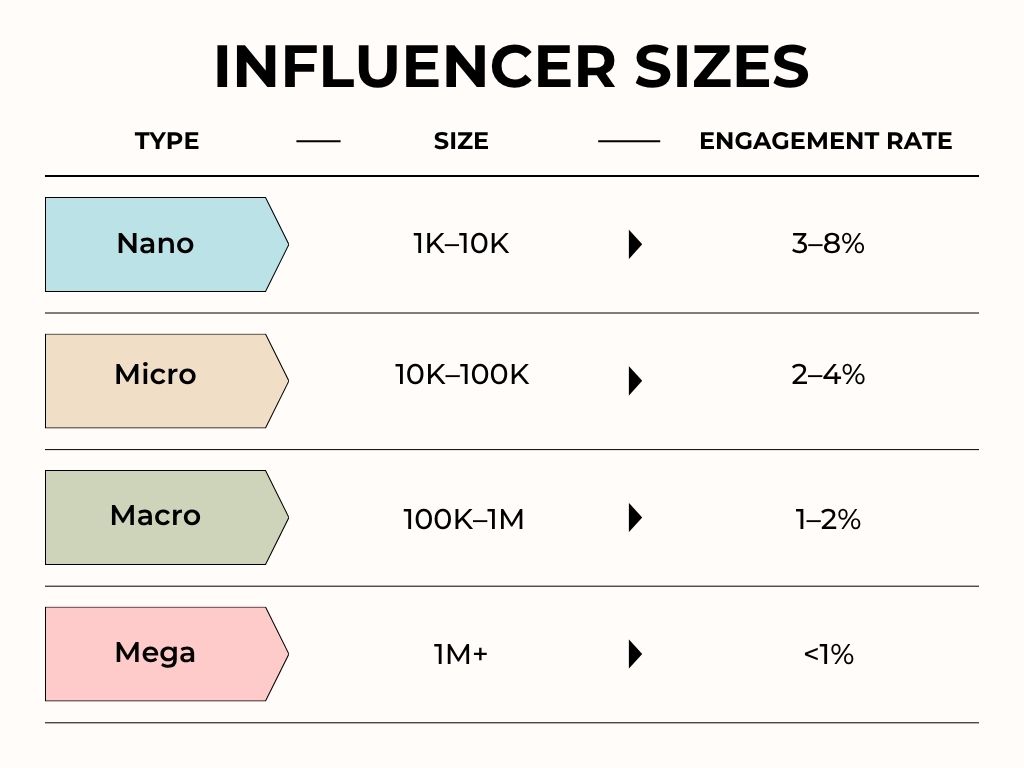
Nano influencers are social media creators with between 1,000 and 10,000 followers. They represent the smallest tier that influencer marketing specialists categorise potential prospects with. This is in contrast with macro influencers and micro influencers, who tend to have 100k to 1 million and 10k to 100k followers respectively. While nano influencers have lower reach, they can have better engagement rates and have more sway within certain niches than influencers with a larger, general audience.
Nano influencer marketing has become increasingly popular in recent years, allowing for more elaborate marketing campaigns. Nano influencers are most active on Instagram, TikTok, and YouTube, gathering smaller audiences with short-form content. Many nano influencer audiences feel stronger bonds with their influencer of choice. The use of these mass platforms and a stronger community connection presents many opportunities to companies looking for promotion.
Nano influencers can also be considered more authentic than many larger personalities. Many famous names may be too commercial, which decreases their engagement rate. However, finding the right influencer with the right niche can be more fruitful, allowing companies to fully leverage their audience’s interests.
Advantages of Nano Influencer Campaigns
The pros and cons of nano influencer campaigns include:
- Nano influencer marketing ROI can be potentially higher
While larger influencers can have better reach, the engagement they provide can be lower. Influencers with an energised niche can have greater trust within their smaller audience. They also cost a lot less to hire per campaign.
- Easier to define audiences
As they often operate in niches, nano influencers provide narrower audiences with specific interests. Consider the difference between doing a general mass marketing campaign and targeting a subreddit. While the former offers more people, it also incurs more waste readership who will not respond.
- Stronger audience connection
Smaller audiences can often be a more connected community. A health influencer with a focus on jogging may not have the audience that a massive comedy YouTuber does, but they will have a common interest and hobby that resonates with their niche. If you have a product that fits, they can be far more fruitful to pursue.
- Untreaded ground
Nano influencers are often not locked in other brand deals and have a lot more credibility. Getting to them first also means there is an audience that may be receptive to the ad.
Nano Influencer Campaign Examples
Brands that work with nano influencers include:
Dyson

Famed conglomerate Dyson doesn’t just make vacuum cleaners. They’re also famous for their hair care products. This is why they partnered with nano influencer (who at the time had less than 10,000 followers) @brittney.christinee. This was a smart campaign because hair care has often focused on Eurocentric standards, with fairer hair colour and straighter hairstyles. Often left out of the conversation are those with curly hair, which are often deemed unruly and hard to build products for.
The campaign catered to individuals with curly hair seeking effective styling solutions, aiming to showcase the positive attributes of the Dyson Chitosan styling products. They emphasised how it would be great for various hair types, especially curly hair. In the reel, @brittney.christinee demonstrates the drying process with Dyson’s products. The influencer’s audience is already into beauty care products and has been receiving advice from someone who will make use of this precise line. In that sense, they have an interested audience that is receptive within the niche.
Coca Cola

Coke leveraged consumers into becoming brand ambassadors for a major campaign that utilised numerous nano influencers. This eventually became a successful user-generated content campaign. They were able to boost brand visibility and engagement on Instagram with increased UGC featuring Coca-Cola products. The campaign reached 2.8 million Instagram followers through boosted content.
As an established company, they were able to leverage an existing fan base to create authentic content for their own ends. Instead of one large influencer, they had multiple accounts post themselves as”#cokeambassadors”, utilising their online clout to produce a wave of interest in multiple niches. This fits their brand mission as being a universalist product that is for everyone, regardless of background, age, or level of popularity.
Influencer Strategy
Nano influencer strategies require a lot of planning. Here’s how you can leverage them properly:
Define Your Goals
Always set your benchmarks and KPIs, and focus on what you want to achieve. Don’t do influencer marketing just for the sake of it. Here are some common goals nano influencer marketing can help with:
- Increase CTR
- Increase brand awareness within a specific niche
- Propel user-generated content
- Drive sales with affiliate links – consider what your sales margins are since smaller influencers will have a higher ROI but lower overall sales
- Increase foot traffic to a physical location
- Local or global? – many nano influencers have local followings and can serve that niche well, while a global target can be best matched by an organised multi-influencer campaign
You should tailor the message to your goals and pick your influencers based on this. Give them the context and be as transparent as necessary so they understand and support your objectives.
Define Your Brand Voice to Find a Matching Influencer
Make sure your influencer strategy matches your brand guidelines and fits your story. For example, if you are a tech company that wants to convey competence and trust, you will probably be best served by a tech influencer who does informative reviews. Make-up brands will probably want to target Instagram, where the audience is primed towards the influencers who have captured that niche.
When picking an influencer, you should attempt to align the following elements:
- Values
- Visual style
- Tone of voice
- Audience interests or niche goals
- Topics covered by the influencer
- Platform and content style – You may have a topical alignment, but the creator may make funny or serious videos, which can go against your branding and create a tonal clash
Create the Right Guidelines
Give clear instructions to the influencer. If they are going to go off-script, they may end up making claims that you don’t want or sell features that aren’t part of your products. In this case, it’s best to give them dos and don’ts they can work with in their voice. There needs to be a balance of accurate messaging with authenticity. This is also why it’s best to find influencers that align with your brand voice rather than finding an influencer who doesn’t fit and forcing them to conform to rigid rules that don’t suit them.
While scripts can be handy, they can also kill the voice of the influencer’s authentic voice, which defeats the reason for hiring them. Make sure they understand your product and know what it is properly. Give them a test sample and work with what they like about it. Create a 2-way communication to find that balance.
Set Budgets
There are numerous good nano and micro influencer engagement strategies for startups because smaller influencers can be more affordable. You can get them to kickstart
You can choose to start small with a few nano influencers in a short-term campaign to see what resonates with your audiences. Find the creators that drive engagement or conversions and determine which content gets the best response. Reiterate based on the new information, expanding campaigns and retaining the influencers who are the best prospects.
Track Performance
Aside from the usual metrics, you also need to think outside the box. Likes and comments are useful, but tools like affiliate links or promo codes can be more direct to your goals. They are also better for measuring which activities are driving the real clicks and sales. Various tools can help you track performance in real time across creators, platforms, and campaigns.
Keep an eye on the hashtags you’ve been implementing. For brand awareness, you may want to look into impressions, mentions, and reach as positive metrics. Conversely, for sales campaigns, you might want to look at leads, revenue growth, and ROI. Match the goal to the metrics that will indicate positive impacts for it.
Content Reiteration & Exploitation
If the campaign gains traction with the audience, you have many opportunities. You can gather valuable data on interested potential users, test growth markets, give out discounts, and test product variations. If the campaign is really taking off, you can compel people to make user-generated content, incentivise hashtag sharing, and push your brand name even further.
Check the data and try to build on the successful campaign. Find new ways to compel a community by getting sign-ups or building a community on forums like Reddit. The campaign can expand with unexpected success, so strike while the iron is hot.
How to Find Nano Influencers
There are multiple different ways to find influencers for a marketing campaign, including:
- Check hashtags: Hashtags help find trends and the people who use them. This includes creators and receptive audiences. Use hashtag analysis tools native to platforms, along with some that are external. The search bar, the top tab, the recommended section, and many other features can help with this.
- Analyse audiences: Find a well-known influencer in the space you want to target and check their followers. Do an audit, checking for age, interests, demographics, psychographics, etc. You can pick some of the smaller accounts that are looking to build their own community. Every large account has orbiters or people who react to their content. Micro-influencers are usually following someone in your industry, which may indicate a relevant overlap.
- Influencer agencies: Agencies like Peersway and Moburst provide influencer marketing services. These can be more expensive, but they also offer end-to-end services managed by seasoned professionals.
- Explore marketplaces: Cameo, Collabstr, Upfluence, AspireIQ, or TikTok’s Creator Marketplace can be great places to research up-and-coming influencers.
- Check databases: Check topical databases for hashtags that match your needs. You may be able to find smaller accounts that have used them when you scan them on a platform.
- Monitor mentions: Check the mentions for different topics. Don’t just check your name. Also check your competitor mentions. Competitors for Monster Energy Drinks found nano influencers by checking their mentions and offering their own alternative, for example.
- Track competitors: You should also track what tags your competitors are targeting, find gaps in their strategy, employ counter-programming (targeting niches they left out), and keep tabs on what types of influencers they find suitable for their brand message.